zum Inhalt springen
Summer School | September 30 - October 6, 2019

“Language, Diversity, and Minorities”

Organized & hosted by Prof. Aria Adli & Prof. Dr. Katajun Amirpur – University of Cologne
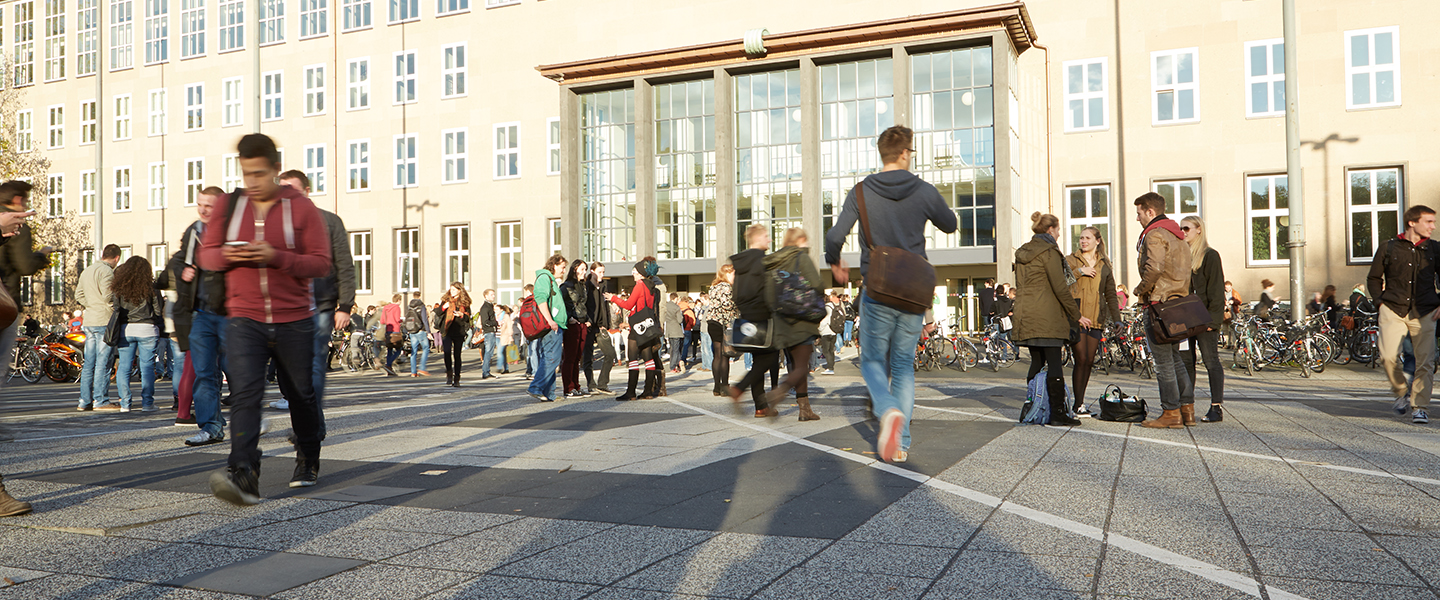
Foto: Fabian Stürtz

The Summer School will take place on the Main campus of the University of Cologne before the start of lectures in the winter semester and is based on a scientific collaboration between the Department of Oriental Studies and the Sociolinguistic Lab of the University.

Participants will gain experience through highly participatory projects at the interface between Diversity Studies and Sociolinguistics, be trained in and employ methods of linguistic fieldwork and will explore the lively art, media and museum culture Cologne has to offer in guided excursions.

It will introduce International participants to the University of Cologne as an excellent research facility, to its advanced study programs and to its support structures for Non-European students.

Date and timeLocationOrganizing chairs and hostsApplication
September 30 - October 6, 2019
9.00 - 18.00 h mandatory academic program
+ optional program in the evenings
Main campus University of Cologne
+  local and regional excursions
Aria Adli & Katajun AmirpurSubmit your application until 15th of July, 2019, 23.59 h

Main Contents

Introduction to Diversity Studies

Kick-off point is an overview of current trends in Diversity Studies from a Cultural Studies as well as Religious Science (especially Islamic Science) perspective. We will also integrate current contributions from Migration Science.

Introduction to Sociolinguistics

This is followed by an introduction to basic methodology of quantitative sociolinguistics and to variationist linguistics. We will cover the linkage of linguistic variation and language change, the prominent role of vernacular for language change, social networks (e.g. communities of practice), the role of prestige in linguistic choices and sociolects and with regard to the interaction of style and social class.

Representation of Minorities

The next thematic complex focuses on the construction of representations of minorities in mass media and social media. Participants will analyze mass media with high distribution (e.g. tabloids like Bild, popular TV-series like Tatort as well as reality-TV-formats like Dschungelcamp, news formats, youTube-channels like LeFloid or BibisBeautyPalace to name examples from the German language media landscape) in small groups and dissect the discursive means and elements employed therein to describe and construct ‘minorities’. All participants are asked to actively contribute examples from their respective countries of origin.

Sociolinguistic Interviews

While the prior modules focused on talking about specific social groups, we will now engage with specific social groups via conducting linguistic interviews. The participants will learn to use equipment from the Sociolinguistic Lab of the University of Cologne.

Minorities and discrimination from an comparatistic perspective

This conclusion combines aspects from previous modules to discuss representations of minorities and perception of discrimination in different cultures in comparison. Thereby revealing interesting differences between various majority societies.

Analysis of Diversity in countries of origin of migrants

Migration science requires specific research in and knowledge of countries of origin to understand the context and environment from which migrants stem. This allow for sounding problems as well as potentials. Ambiguity Studies highlights that Oriental societies exhibit a higher acceptance of ambiguity then commonly expected. This thematic complex is broached on an introductory level and examples of research questions are offered, which then can be elaborated on in practical work during the summer school.

Analysis of constructions of belonging to minorities

Does a migrational situation contribute to a strengthening of a sense of unity within one’s own religious community or one’s own national of ethnic community? Or to put it differently: would an Iranian Armenian reach out to the Armenian non-Iranian community or to an Iranian non-Armenian community? Or would that person elect to seek contact to an Iranian-Armenian community?